Gastric Cancer CAR-T Therapy: Satri-cel Approved for Claudin18.2
Gastric cancer CAR-T therapy satri-cel won approval in China in June 2026 for Claudin18.2-positive disease, cutting progression risk by 63% in phase 2.
Read more
Articles that read the sources and answer questions users actually ask.
Illustrative image
Gastric cancer CAR-T therapy satri-cel won approval in China in June 2026 for Claudin18.2-positive disease, cutting progression risk by 63% in phase 2.
Read more
In a 62-patient study in Nagoya, Japan, proton therapy for sinonasal cancer achieved 92% local control and 76% survival at 2 years. Candidates, side effects and Japanese insurance.
Read more
Zanidatamab with tislelizumab and chemo cut death risk by 35% in HER2-positive gastric cancer. Survival, FDA approval, side effects and Japan status.
Read more
Photodynamic therapy for esophageal cancer remaining after radiotherapy: approved in Japan in 2015, with local complete response in 88.5% in phase II.
Read more
Tarlatamab (Imdelltra) plus durvalumab cut death risk 58% as maintenance for extensive-stage small cell lung cancer. Results, side effects, Japan status.
Read more
The CAR-T therapy process: apheresis, 3–6 weeks of manufacturing, lymphodepletion, one infusion and 1–2 weeks in hospital, plus Japan approvals.
Read more
The FDA gave full approval to Keytruda for TMB-high solid tumors. See who qualifies under the new ≥13 mut/Mb cutoff, 36% response rate and Japan status.
Read more
How much proton therapy for esophageal cancer reduces heart and lung side effects, from a US randomized trial and Japanese multicenter data, plus cost in Japan.
Read more
Phase 3 LiGeR-HN1: petosemtamab plus Keytruda cut the risk of death by 50% in first-line PD-L1+ head and neck cancer. Who it is for, results, side effects.
Read more
Photoimmunotherapy step by step: infusion, laser 20–28 hours later, light protection, about two weeks in hospital and repeat cycles, with Japanese results.
Read more
Tudriqev, an oncolytic virus used with nivolumab for advanced melanoma after PD-1 therapy, is now in the U.S. Response, survival and dosing explained.
Read more
The four types of immune cell therapy for cancer, CAR-T, TIL, TCR-T and NK/CAR-NK, compared: how they work, target cancers, results and US and Japan approvals.
Read more
FDA approved talazoparib plus enzalutamide for HRR-mutated metastatic hormone-sensitive prostate cancer: TALAPRO-3 results, anemia care and Japan status.
Read more
Proton therapy for prostate cancer achieved 93.4% 5-year progression-free survival in a US phase III trial and 97.0% 5-year PSA relapse-free survival in low-risk men in Japan. Eligibility, side effects and Japan coverage.
Read more
In advanced biliary tract cancer, first-line ivonescimab plus chemotherapy extended survival and lowered the risk of death by 25% versus durvalumab in the phase 3 HARMONi-GI1 trial.
Read more
How cancer gene therapy works, its main types, and results for approved drugs: Adstiladrin for bladder cancer, now insured in Japan, and imetelstat.
Read more
In the phase 3 SAFFRON trial, savolitinib plus Tagrisso extended median survival to 17.8 vs 12.9 months with chemo in MET-altered EGFR lung cancer.
Read more
Why proton therapy is used for children, which cancers qualify, Japan insurance coverage, the 5–6 week course with sedation, and results from overseas studies.
Read more
ESMO 2026 long-term data on photoimmunotherapy (ASP-1929) plus pembrolizumab in head and neck cancer: 5 of 17 complete responses, median OS 28.2 months.
Read more
How personalized mRNA cancer vaccines work and are made, phase 3 melanoma results with 42% lower recurrence risk, side effects and trial access in Japan.
Read more
FDA approves oral RAS inhibitor daraxonrasib for pretreated metastatic pancreatic cancer: median survival 13.2 vs 6.7 months, eligibility, side effects.
Read more
NK cell therapy step by step: consultation, a 20–100 mL blood draw, 2–3 weeks of culture, IV infusion and repeat doses every 2–4 weeks, plus Japan's regulatory checks.
Read more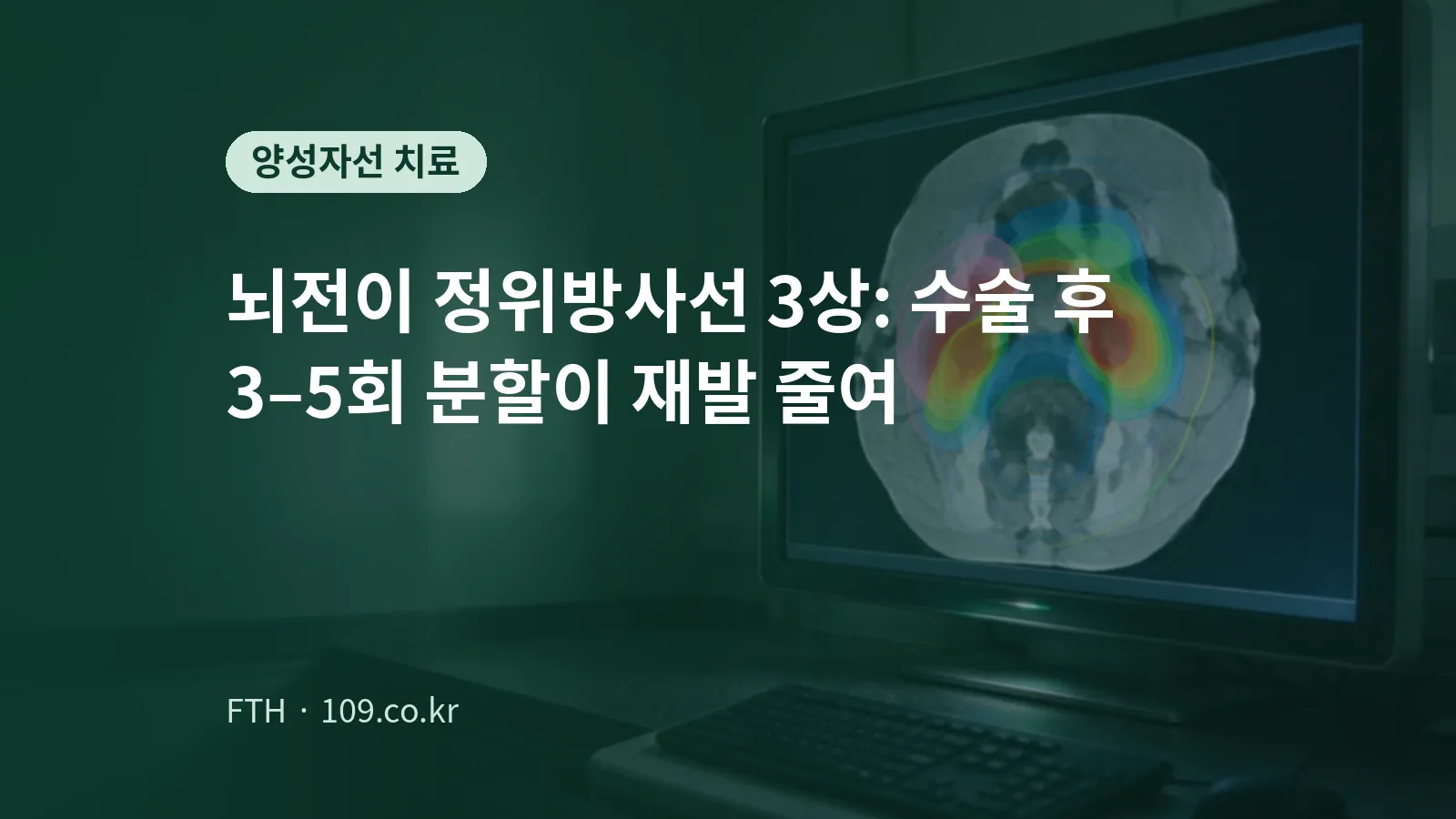
In a 242-patient phase 3 trial, 3–5 session stereotactic radiation after brain metastasis surgery gave 87% 1-year surgical bed control and 28.6-month median survival.
Read more
PDT vs photoimmunotherapy compared: 88.5% complete response with PDT for esophageal cancer in Japan, 75.0% response with head and neck photoimmunotherapy, and light avoidance.
Read more
FDA approved oral pirtobrutinib for untreated CLL/SLL on Oct 2, 2026. BRUIN CLL-313: 93.4% progression-free at 2 years; side effects and Japan status.
Read more
Aptamers and antibodies compared by size, production, immune response and stability, with the two aptamer drugs approved in the U.S. and Japan and the status of cancer trials.
Read more
The FDA approved Ameluz red-light photodynamic therapy for superficial basal cell carcinoma in September 2026. Phase 3 results, procedure and side effects.
Read more
BNCT (boron neutron capture therapy) delivers radiation inside cancer cells that have taken up boron. How it works, Japan insurance coverage, the treatment process and results.
Read more
On Oct 19, 2026 the FDA granted accelerated approval to dostarlimab for dMMR/MSI-H locally advanced rectal cancer. AZUR-1 results, who qualifies, side effects.
Read more
Oncolytic virus therapy explained: how it works, approved drugs, and results such as 84.2% one-year survival with Japan's Delytact in glioblastoma.
Read more
On Oct 14, 2026 the FDA expanded Anktiva plus BCG to papillary-only BCG-unresponsive bladder cancer. How it activates NK cells, response rates, approvals.
Read more
The proton therapy process in 5 steps, from consultation and planning to daily sessions and follow-up, with duration, side effects and Japan coverage.
Read more
On Oct 7, 2026 the FDA approved tucatinib with trastuzumab and pertuzumab as maintenance for HER2+ metastatic breast cancer. HER2CLIMB-05 results, side effects.
Read more
How CAR-NK and CAR-T differ, based on papers and FDA and Japanese sources. CAR-T is approved; CAR-NK has fewer side effects but is still in trials.
Read more
Head and neck cancer photoimmunotherapy, approved in Japan in 2020: 43.3% responded in a phase 1/2a trial and 75.0% in a 40-patient Japanese study.
Read more
Glioblastoma photodynamic therapy with talaporfin is insurance-covered in Japan since 2013. Phase 2: 100% 1-year survival, plus recurrent-tumour results.
Read more
Aptamer cancer drug results: in the German phase 1/2 GLORIA trial, olaptesed pegol with radiotherapy led to tumour responses in 9 of 10 patients.
Read more
In the phase III NRG-GI003 trial (ASTRO 2026), proton therapy for advanced liver cancer did not improve survival or recurrence vs photon radiation.
Read more
On Oct 8, 2026, the FDA approved atezolizumab plus FOLFOX after surgery for stage III dMMR colon cancer. Who qualifies, ATOMIC results and side effects.
Read more
Proton therapy in Japan falls under public insurance, Advanced Medical Care or self-pay depending on the condition. What to check before contacting hospitals.
Read more
The designated source covers oral and tongue cancer, not all head and neck cancers. We separate what it says from what it does not.
Read more
Gan Chuo Clinic’s “cancer photoimmunotherapy” and the head and neck cancer treatment approved in Japan use different drugs. Here is how to tell them apart.
Read more
“Nucleic acid medicine” is a broad drug class; “aptamer” is one type within it. How to avoid confusing one clinic’s method with the whole class.
Read more
New City Osaki Clinic presents immune function assessment and NK cell therapy separately. We summarize self-pay status and limitations the clinic states.
Read more
Accurate interpretation needs preparation. How to organize documents, questions and terminology in advance.
Read moreNo results found.