Phase 3 results — presented at the American Society for Radiation Oncology (ASTRO) meeting, September 2026 Stereotactic radiation is already used in hospitals in the U.S., Europe and Japan
Splitting stereotactic radiation after brain metastasis surgery into 3–5 sessions, instead of giving it all at once, controls regrowth at the surgical site better, according to a phase 3 trial. In the U.S. multicenter Alliance A071801 trial of 242 patients who had a brain metastasis of 2 cm or larger removed, 1-year surgical bed control was 87% with fractionated treatment versus 81% with a single session, and median overall survival was 28.6 versus 20.2 months. Side effects were similar between the two approaches.
Radiation after brain metastasis surgery: 3–5 sessions instead of one
Brain metastases are cancers that have spread to the brain from another organ, such as the lung, breast, colon or skin (melanoma). Large or symptomatic brain metastases are often removed surgically first. Cancer cells left at the edge of the cavity can grow back, so radiation to the surgical bed is standard after surgery.
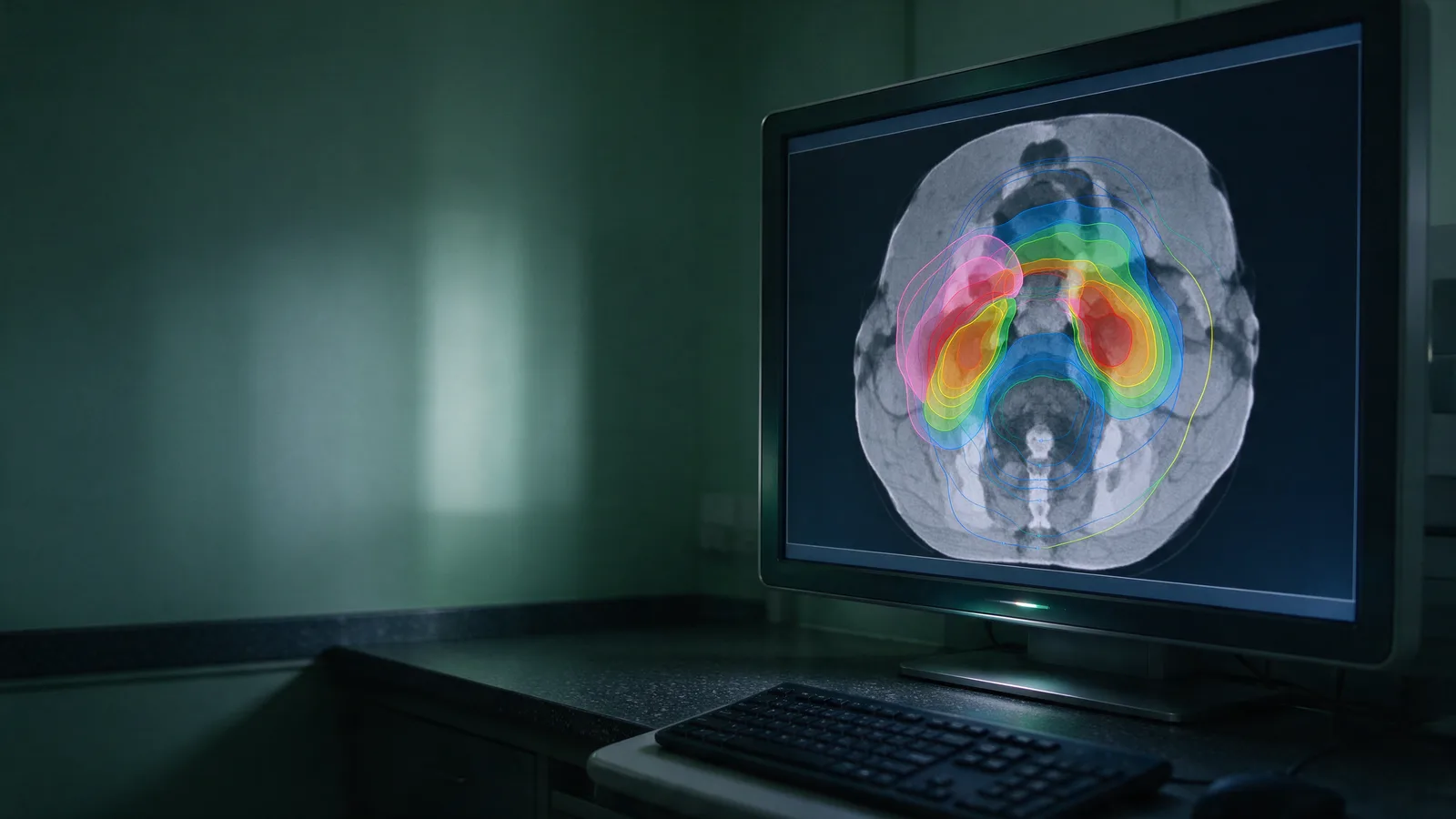
The most common technique is stereotactic radiosurgery (SRS), which focuses many thin beams on the cavity from different directions. Compared with whole-brain radiation therapy, it better protects memory and other cognitive functions. Gamma Knife, CyberKnife and linear-accelerator systems can all deliver it.
Single-session treatment has been common. However, larger cavities can only receive a lower single dose, and reports linked this to more recurrences. Fractionated SRS (fSRS), which splits the same treatment into 3 or 5 sessions, came into use, and this is the first large randomized phase 3 trial to compare the two head to head. Principal investigator Dr. Paul Brown of Mayo Clinic explained that dividing the dose gives healthy brain tissue time to recover between treatments.
Who took part: patients after surgery for a metastasis of 2 cm or larger
Alliance, an NCI-funded clinical trials group, enrolled patients from October 2019 to October 2022 (NCT04114981). Key eligibility criteria:
- Age 18 or older, with 1–4 brain metastases
- One metastasis of at least 2 cm completely removed, with registration within 30 days of surgery
- Up to 3 unresected metastases, each smaller than 4 cm
- Karnofsky performance status (KPS) of 60 or higher
Patients with small cell lung cancer, lymphoma, leptomeningeal disease or prior whole-brain radiation were excluded. Lung cancer was the most common primary (about 40%), and the median diameter of the removed tumor was 3.3–3.4 cm. The 242 patients were randomized to single-session SRS (122) or fractionated SRS (120).
The single-session group received 12–20 Gy in one session, depending on cavity volume. The fractionated group received 27 Gy in 3 sessions for cavities under 30 cc (91% of patients) or 30 Gy in 5 sessions for 30 cc or more. Any unresected metastases were treated on the same schedule.
Results: 87% surgical bed control and 28.6-month median survival
Median follow-up was about 4 years (48 months). Fractionated treatment was significantly better on the primary endpoint, surgical bed control (the share of patients without regrowth at the surgical site).
| Measure | Fractionated (3–5 sessions) | Single session |
|---|---|---|
| 1-year surgical bed control | 87% | 81% |
| Median overall survival | 28.6 months | 20.2 months |
| Free of whole-brain radiation at 1 year | 94% | 84% |
| 1-year local failure, unresected metastases | 3% | 7% |
| Radiation necrosis | 13% | 11% |
Source: ASTRO 2026 presentation (Aizer, Brown; reported by CancerNetwork). Surgical bed control HR 0.53 (P=.046); adjusted survival HR 0.66 (P=.02). Whole-brain radiation and local failure differences were trends (P=.06).
Survival was a secondary endpoint, and the fractionated group lived about 9 months longer. The Alliance release stated that the risk of death remained 31% lower after adjusting for age, performance status and other factors. The investigators plan further analyses to understand where the survival difference came from. Co-presenter Dr. Ayal Aizer of Dana-Farber Brigham Cancer Center said that 3–5 sessions should now be considered standard after surgery for larger metastases.
Side effects and quality of life: similar in both groups
The main late side effect of stereotactic radiation is radiation necrosis (damage and swelling of treated brain tissue). In this trial, radiation necrosis occurred in 13% with fractionated and 11% with single-session treatment, and brain swelling in 8% and 9%. Necrosis without symptoms is usually monitored with MRI; when it causes symptoms, steroids and other medicines are used to reduce swelling.
Patient-reported brain tumor quality of life (FACT-Br), time to cognitive decline and time living independently were also similar. In other words, fractionation reduced recurrence while quality of life was maintained. Because fractionated treatment requires 3–5 visits, patients traveling for care should plan their stay in advance.
Where it is available: the U.S., Europe and Japan
This is not a new drug approval but evidence on how to divide stereotactic radiation that is already in use. Hospitals with Gamma Knife, CyberKnife or linear-accelerator stereotactic systems can offer fractionated treatment. Even before this trial, some centers used it based on retrospective studies (1-year surgical bed control of 84–93%), and the phase 3 result now strengthens that evidence.
In Japan, university hospitals also use 3- or 5-session stereotactic radiation. For example, a Kobe University team treated 26 brainstem metastases with CyberKnife in 3 or 5 sessions (18–30 Gy in total) and reported 90% local control at 12 months. If you are considering treatment abroad, it is more useful to ask how many sessions the hospital uses for the surgical cavity, and whether the surgical and radiation teams plan together, than to focus on the machine brand. For the general radiation treatment process, see Proton therapy process and duration and Proton therapy medical information.
What to check and questions for your doctor
- Will my post-surgery radiation be given in one session or 3–5 sessions? Why?
- How large is my surgical cavity, and what dose fits it?
- Will my other, unresected metastases be treated on the same schedule?
- What symptoms would radiation necrosis cause, and how is it managed?
- How often will I have MRI scans, and how will radiation be timed with my targeted therapy or immunotherapy?
Frequently asked questions
How many sessions of stereotactic radiation are given for brain metastases?
Treatment can be completed in one session or divided into 3 or 5 sessions. In this phase 3 trial, dividing treatment into 3–5 sessions after surgery for a metastasis of 2 cm or larger led to fewer surgical site recurrences. Single-session treatment remains widely used for small metastases treated without surgery.
How is fractionated SRS different from whole-brain radiation?
Fractionated SRS targets only the surgical cavity and remaining tumors, while whole-brain radiation treats the entire brain. Stereotactic treatment better protects memory and thinking, and in this trial 94% of the fractionated group were free of whole-brain radiation at 1 year.
Is Gamma Knife or CyberKnife better?
Both are used for stereotactic radiation, and this trial did not compare machines. The number of sessions and dose plan matched to cavity size, and the team’s experience, matter more than the device.
What are the side effects of stereotactic radiation for brain metastases?
Fatigue or headache can occur soon after treatment, and radiation necrosis or brain swelling can appear months later. In this trial, radiation necrosis was in the low teens (%) and similar for both approaches; most cases are managed with observation or medicine.
Related: What is BNCT? · Proton therapy in Japan · All proton therapy articles
Sources
- Alliance for Clinical Trials in Oncology — Alliance trial finds fractionated radiosurgery reduces cancer recurrence after surgery for large brain metastases (2026-09-28)
eurekalert.org
Checked: 2026-10-24 - CancerNetwork — Fractionated SRS Improves Surgical Bed Control After Brain Metastasis Resection (ASTRO 2026, Alliance A071801)
cancernetwork.com
Checked: 2026-10-24 - The ASCO Post — Fractionated SRS Approach Improves Outcomes for Patients With Resected Large Brain Metastases (ASTRO 2026 LBA 01)
ascopost.com
Checked: 2026-10-24 - CURE — Splitting Radiation Into Several Sessions Reduced Recurrence of Large Brain Metastases
curetoday.com
Checked: 2026-10-24 - Investigation of the efficacy and safety of CyberKnife hypofractionated stereotactic radiotherapy for brainstem metastases. J Radiat Res 2017;58(6):834-839 (Kobe University)
doi.org/10.1093/jrr/rrx042
Checked: 2026-10-24
Written by the FTH editorial team. Sources checked 2026-10-24 · Medical review: not applicable
This article is general information based on public sources and does not replace diagnosis or treatment. Please discuss treatment decisions with your medical team.