Approved treatment — covered by Japan's public insurance for pediatric solid tumors since April 2016 Routine care at pediatric cancer centers in the US, UK and Europe
Proton therapy for childhood cancer is a form of radiotherapy used to reduce the radiation reaching a growing child's healthy tissue. In Japan, children with cancer have received proton therapy under public insurance since April 2016, and it is widely used for pediatric brain tumors and sarcomas in the US and UK. This article explains which cancers qualify, how treatment runs, and what overseas and Japanese studies have reported.
Why protons are used for children
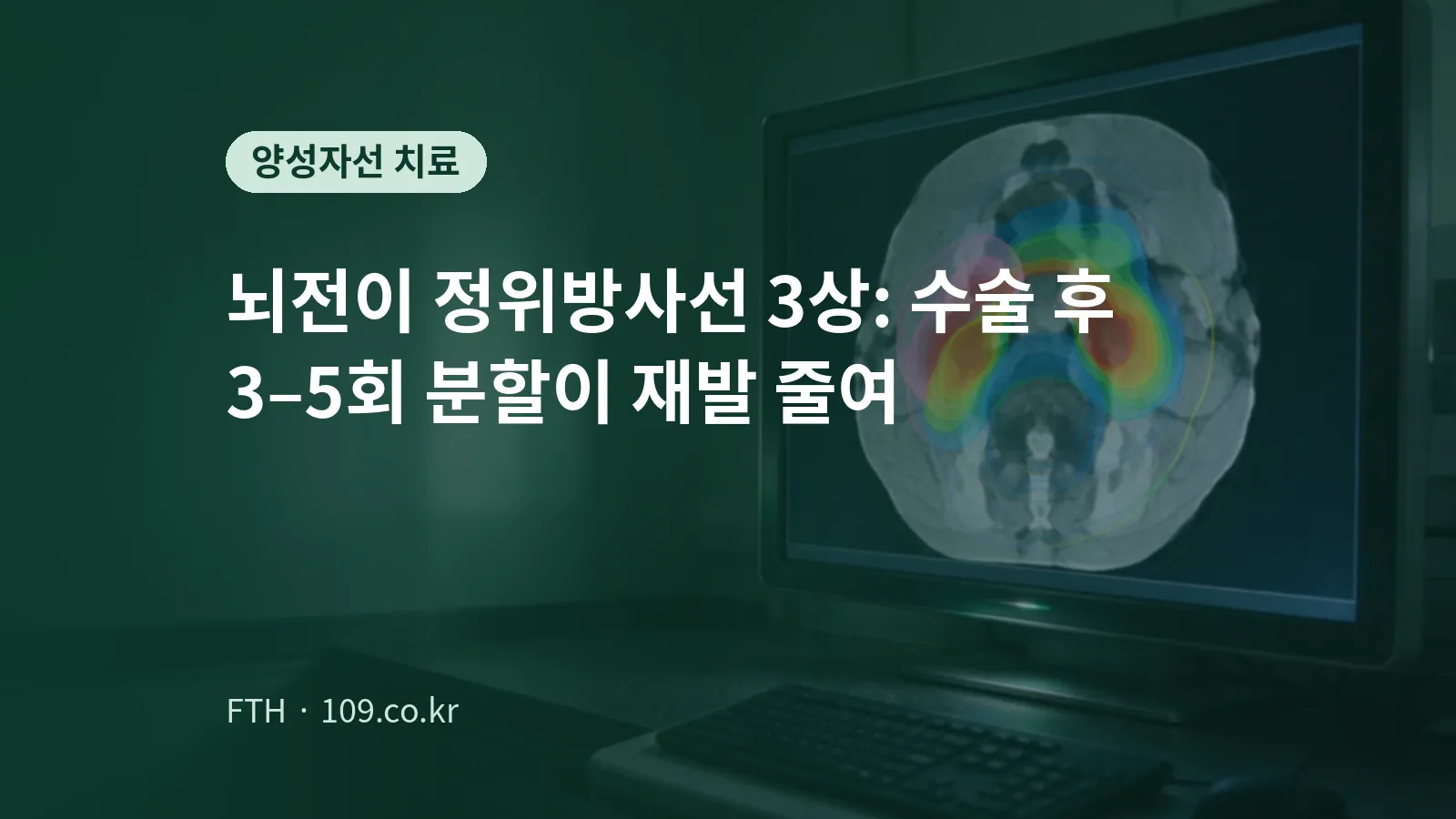
X-ray radiation leaves energy in tissue beyond the tumor as it passes through the body. Protons release most of their energy at a set depth and then stop (the Bragg peak), so far less radiation travels past the tumor. The UK charity Young Lives vs Cancer describes it as a beam that "stays within the tumour and doesn't carry on travelling through the body".
This matters more for children because their bones, brain and hormone-producing organs are still developing. Less radiation to healthy tissue is expected to reduce late effects such as growth problems, learning and memory difficulties, hearing loss and second cancers. MD Anderson Cancer Center cites studies suggesting fewer brain development problems in children treated for brain tumors. Protons are not better for every child, however; the care team compares them with X-ray treatment based on tumor type and location.
Childhood cancers that may qualify for proton therapy
Proton therapy is mainly used for solid tumors that form a mass, rather than blood cancers. Typical conditions listed by MD Anderson include:
- Brain and spinal tumors — medulloblastoma, ependymoma, low-grade glioma, craniopharyngioma and intracranial germinoma
- Sarcomas — rhabdomyosarcoma, Ewing sarcoma and osteosarcoma
- Other solid tumors — neuroblastoma, retinoblastoma and optic nerve tumors
The closer a tumor is to radiation-sensitive organs such as the head, neck, spinal cord, heart or lungs, the stronger the case for considering protons. Surgery and chemotherapy often come first, and the timing of radiotherapy is set within that overall plan.
Results of proton therapy for childhood cancer
Because childhood cancers are rare, large comparative trials are difficult, so evidence comes from single-center phase II studies and pooled multicenter experience. Key results are summarized below.
| Study | Patients | Main results |
|---|---|---|
| US MGH phase II (Lancet Oncology 2016) | 59 with medulloblastoma, aged 3–21 | Progression-free survival 83% at 3 years and 80% at 5 years; no cardiac, pulmonary or gastrointestinal toxicity reported |
| Four Japanese centers (Cancer Medicine 2016) | 343 under age 20, various cancers | 1-year overall survival 82.7%; grade 4 toxicity in 5 of 343 |
| Four Japanese centers, rhabdomyosarcoma (Cancer Medicine 2018) | 55, median age 5 | 2-year overall survival 84.8%; 100% in low-risk and 90.1% in intermediate-risk groups; no proton-specific toxicity |
Sources: Yock et al., Lancet Oncol 2016; Mizumoto et al., Cancer Med 2016 and 2018. Survival figures cannot be compared directly because each study covered different cancers and stages.
The Massachusetts General Hospital (MGH) study is widely cited for showing that medulloblastoma can be treated with maintained survival while avoiding toxicity to the heart, lungs and digestive organs. The investigators reported survival similar to X-ray radiotherapy. The Japanese rhabdomyosarcoma study concluded that proton therapy was comparable in effect to photon therapy, with tolerable acute radiation toxicity. Because the 343-patient Japanese study combined many types of childhood cancer, families should ask the care team for results that match their child's specific cancer.
Proton therapy for children in Japan: coverage and centers
National Cancer Center Hospital East states that "since April 2016, pediatric cancer patients have been eligible for insurance-covered proton therapy in Japan", and describes itself as one of the three proton centers for children in Japan, with a specialized and safe environment for pediatric patients. It also reports a steady increase in patients from both Japan and abroad, particularly from China. Nagoya Proton Therapy Center likewise notes that insurance has covered pediatric tumors since April 2016.
Japan's insurance coverage for proton therapy began with childhood cancer and later expanded to other cancers. The differences between insurance, Advanced Medical Care and self-pay care are explained in Proton Therapy in Japan. Patients living abroad who are not enrolled in Japan's public insurance are billed differently, so confirm costs and referral conditions directly with the hospital.
Overseas, many US pediatric cancer centers treat children with a dedicated anesthesia team, and in the UK the NHS provides proton therapy at The Christie in Manchester and UCLH in London. In the UK, a panel of specialists experienced in pediatric proton therapy reviews suitability before referral.
Treatment steps and sedation
- Consultation and record review — imaging (MRI and CT), pathology, and surgery and chemotherapy records are used to decide whether protons are suitable.
- Immobilization and planning — a mask or body mold is made so the child lies in the same position each day, and a CT scan is used to design beam angles and dose.
- Daily treatment — at MD Anderson, most children are treated Monday to Friday for five to six weeks. Each session takes 30 minutes to 1.5 hours, depending on sedation.
- Follow-up — along with the tumor, growth, hormones, hearing and learning development are checked regularly.
Young children who cannot lie still receive brief sedation each day, given by a pediatric anesthesia team. With help from a child life specialist, some children complete treatment without sedation. UK guidance notes that families may need to be away from home for about six to eight weeks, so plan accommodation, care for siblings and contact with school in advance. The full daily schedule is also described in Proton Therapy Process and Duration.
Side effects and long-term follow-up
During treatment the skin may redden and children may feel tired; hair in the treated area of the head may fall out. Most of these effects improve gradually after treatment. In the MGH study, serious hearing loss was seen in 16% at five years and hormone-related changes in 55%, most often growth hormone deficiency. Growth hormone deficiency can be detected and treated in pediatric endocrinology, so regular check-ups are important.
The investigators noted that younger patients are more likely to have lasting changes in hearing, hormones and cognition. For this reason, follow-up over ten years or more matters as much as the treatment itself. Keep images and records organized so the treating hospital and your home hospital can share results.
Points for families to check and questions for the doctor
- For my child's tumor type and location, what advantages does proton therapy offer over X-ray treatment?
- When in the surgery and chemotherapy schedule is the best time for proton therapy?
- How many weeks will treatment take, and is daily sedation needed?
- When and where will hearing, growth and hormone tests be done after treatment?
- As an overseas patient, what records are needed for referral, and how can we get a cost estimate?
Frequently asked questions
Is proton therapy for children covered by insurance in Japan?
Yes. According to National Cancer Center Hospital East and Nagoya Proton Therapy Center, pediatric cancers (pediatric solid tumors) have been covered by public insurance since April 2016. Patients living abroad without Japanese public insurance should check each hospital's fees separately.
How many weeks does proton therapy take for a child?
According to MD Anderson, most children are treated daily, Monday to Friday, for five to six weeks. Each session takes 30 minutes to 1.5 hours, and including preparation many families stay about six to eight weeks.
Can young children have proton therapy without anesthesia?
Young children who cannot keep still receive brief sedation each day. Some complete treatment without sedation with support from a child life specialist; the care team decides based on age and temperament.
Does proton therapy give higher survival than X-ray radiotherapy?
Studies so far report survival similar to X-ray treatment; the advantage is less radiation to healthy tissue and fewer late effects. In the MGH medulloblastoma study, 5-year progression-free survival was 80%, with no cardiac, pulmonary or gastrointestinal toxicity reported.
Related: Proton Therapy Process and Duration · What Is BNCT? · Proton therapy information
Sources
- Yock TI, et al. Long-term toxic effects of proton radiotherapy for paediatric medulloblastoma: a phase 2 single-arm study. Lancet Oncol 2016;17(3):287–298
doi.org/10.1016/S1470-2045(15)00167-9
Checked: 2026-10-26 - ecancer — Proton beam therapy offers potential to treat childhood brain cancer with fewer severe side effects (2016)
ecancer.org
Checked: 2026-10-26 - Mizumoto M, et al. Proton beam therapy for pediatric malignancies: a retrospective observational multicenter study in Japan. Cancer Med 2016;5(7):1519–1525
doi.org/10.1002/cam4.743
Checked: 2026-10-26 - Mizumoto M, et al. Preliminary results of proton radiotherapy for pediatric rhabdomyosarcoma: a multi-institutional study in Japan. Cancer Med 2018;7(5):1870–1874
doaj.org
Checked: 2026-10-26 - National Cancer Center Hospital East — Department of Pediatric Oncology, Annual Report 2024
ncc.go.jp
Checked: 2026-10-26 - Nagoya Proton Therapy Center — Message from the Director
nagoya-cu.ac.jp
Checked: 2026-10-26 - MD Anderson Cancer Center — Proton therapy for pediatric cancer
mdanderson.org
Checked: 2026-10-26 - Young Lives vs Cancer — Proton beam therapy for cancer
younglivesvscancer.org.uk
Checked: 2026-10-26
Written by the FTH editorial team. Sources checked 2026-10-26 · Medical review: not applicable
This article is general information based on public sources and does not replace diagnosis or treatment. Please discuss treatment decisions with your medical team.