Approved treatment — covered by Japan's public insurance for non-metastatic prostate cancer since April 2018 US phase III PARTIQoL and long-term results from 7 Japanese centers
Proton therapy for prostate cancer is radiotherapy designed to concentrate the dose in the prostate while reducing the dose to the rectum and bladder right next to it. In a phase III trial at 30 US centers, it achieved a 5-year progression-free survival of 93.4%, matching the high results of intensity-modulated radiotherapy (IMRT), and in Japan it has been covered by public insurance for non-metastatic prostate cancer since April 2018. This article summarizes who is eligible, the results, side effects, treatment schedule and preparation, based on original international sources.
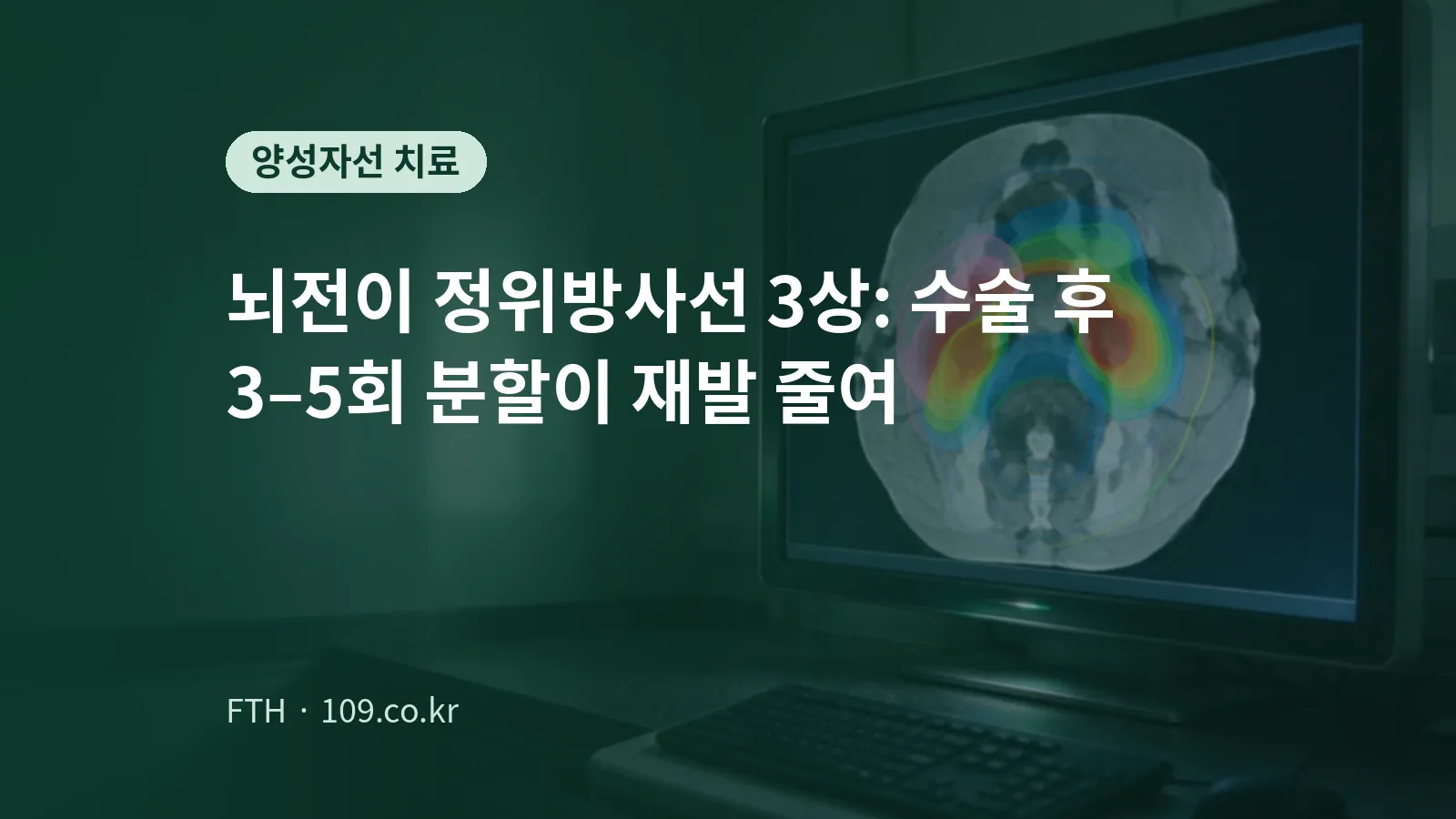
Protons are planned to stop at the depth of the prostate
Conventional X-ray radiation passes through the body and leaves energy in tissue both in front of and behind the tumor. Protons release most of their energy at a set depth and then stop (the Bragg peak), so less radiation travels beyond the prostate.
The bladder sits in front of the prostate and the rectum directly behind it. In prostate radiotherapy, the key is to treat the cancer fully while limiting late effects such as rectal bleeding or urinary discomfort. Modern centers also use pencil beam scanning, which "paints" the tumor shape with a narrow beam, and rectal spacers, a gel placed between the prostate and rectum to increase the distance between them.
Which prostate cancer patients are eligible?
Proton therapy is mainly considered when the cancer is within or just around the prostate and has not spread to bone or distant organs. Risk is classified using the PSA level, the Gleason score from biopsy and the stage seen on imaging.
- Low risk — patients can often choose between surgery, radiotherapy and active surveillance.
- Intermediate risk — radiotherapy alone or with short-term hormone therapy (androgen deprivation) is considered.
- High risk — hormone therapy and radiotherapy are often planned together.
Japan's public insurance covers non-metastatic prostate cancer. Eligibility after recurrence following surgery, or after previous radiotherapy, is decided separately by the treating center.
Results: the US phase III trial and Japanese multicenter data
PARTIQoL, a randomized phase III trial led by Massachusetts General Hospital (MGH), assigned 450 men with low- or intermediate-risk prostate cancer to proton therapy or IMRT and followed them for 5 years. It was presented at the 2024 ASTRO Annual Meeting and published the same day in the International Journal of Radiation Oncology·Biology·Physics.
| Item | Proton therapy | IMRT |
|---|---|---|
| Patients | 226 | 224 |
| 5-year progression-free survival | 93.4% | 93.7% |
| Change in bowel score at 2 years | −2.4 points | −2.2 points |
| Urinary and sexual quality of life | No difference at any time point | |
Source: PARTIQoL (ASTRO 2024, LBA01). Median age 68; 59% intermediate risk. There was no statistically significant difference in survival between the two treatments (P=0.706).
The investigators concluded that both treatments gave "excellent" quality of life and effective tumor control. The bowel score fell by only about 2 points out of 100, a change judged too small to notice in daily life. Rectal spacers were used in 48% of participants and 51% of survivors received a shortened 28-fraction schedule, with similar results in these subgroups.
In Japan, the Japanese Radiation Oncology Study Group (JROSG) analyzed long-term results for 1,291 men treated with proton therapy at 7 centers and published them in Cancer Medicine in 2018. Median follow-up for surviving patients was 69 months.
| Risk group | Patients | 5-year PSA relapse-free | 5-year survival |
|---|---|---|---|
| Low | 215 | 97.0% | 98.4% |
| Intermediate | 520 | 91.1% | 96.8% |
| High | 556 | 83.1% | 95.2% |
Source: Iwata et al., Cancer Medicine 2018. Grade 2 or higher late side effects: bowel 4.1%, urinary 4.0%.
Even in the high-risk group, 5-year survival exceeded 95%, and late side effects needing treatment occurred in about 4% for both bowel and urinary function. The Japanese investigators described proton therapy as effective with few side effects across all risk groups.
Proton therapy or IMRT: how is the choice made?
PARTIQoL shows that both treatments are good options for low- and intermediate-risk prostate cancer. In practice, the choice often depends on the following.
- Other pelvic conditions — hip replacements, past pelvic surgery or bowel disease change the beam angles and dose distribution.
- Travel and duration — there are fewer proton centers than IMRT centers, so travel may be longer. Some centers offer schedules with fewer sessions.
- Cost and insurance — people enrolled in Japan's public insurance can receive either treatment under insurance, but patients living abroad pay out of pocket, where the cost gap may be larger.
For how proton therapy compares with other radiotherapy, see Proton therapy medical information; for insurance, Advanced Medical Care and self-pay care, see Proton therapy in Japan.
Treatment length and daily schedule
- Consultation and record review — PSA history, biopsy results and imaging such as MRI and bone scans are used to confirm eligibility.
- Preparation procedures — depending on the center, gold fiducial markers for precise positioning or a rectal spacer may be placed beforehand.
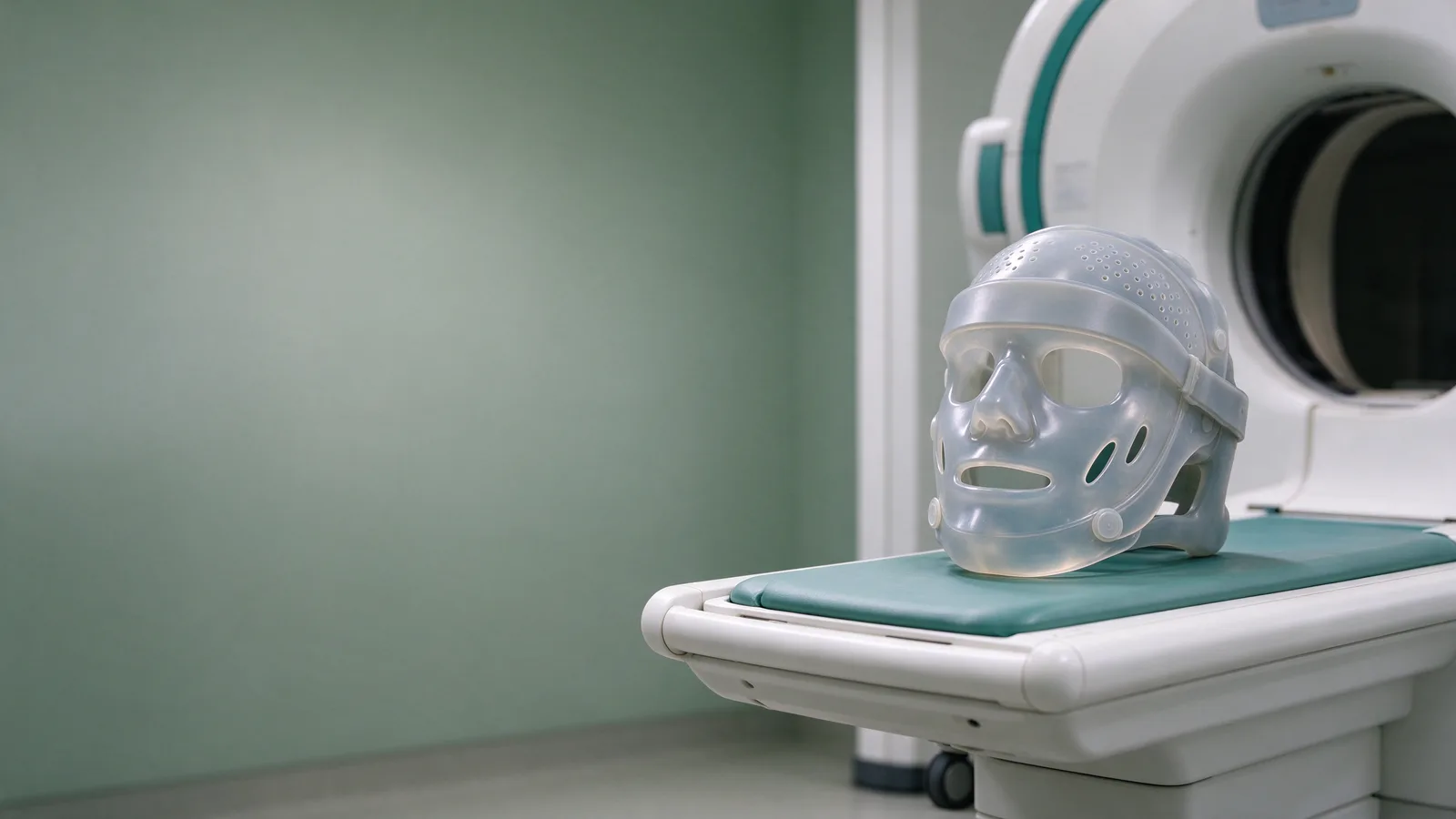
- Planning CT — an immobilization device is made so you lie in the same position every day, and beam angles and doses are designed.
- Daily treatment — outpatient visits Monday to Friday. PARTIQoL used 44 fractions (about 9 weeks) or 28 fractions (about 6 weeks), and Mayo Clinic has also reported phase III results for a 5-session schedule.
- Follow-up — PSA is checked regularly, along with urinary and bowel function.
Each visit is mostly positioning rather than beam time, so you typically stay at the hospital for around an hour. Patients are often asked to arrive with a comfortably full bladder and an empty rectum. See Proton therapy process and duration for each step.
Side effects and how they are managed
- Urinary symptoms during treatment — frequent urination or a stinging sensation may occur. They usually settle within a few weeks after treatment and can be eased with medication.
- Bowel symptoms — anal discomfort or loose stools may occur and are managed with diet and suppositories.
- Late effects — rectal bleeding or urinary discomfort may appear months after treatment. In the Japanese study of 1,291 men, grade 2 or higher effects occurred in 4.1% (bowel) and 4.0% (urinary).
- Sexual function — no difference from IMRT in PARTIQoL; if hormone therapy is given, its effects are considered too.
Fatigue is common, but most patients continue daily life while attending as outpatients. If you notice blood in your stool or urine even years later, see a doctor and mention your radiotherapy.
How to receive proton therapy for prostate cancer in Japan
According to a 2023 review by Japanese radiation oncologists, insurance coverage for proton therapy began with pediatric cancer in 2016, and in April 2018 prostate cancer was added along with bone and soft-tissue tumors and some head and neck cancers. Coverage expanded in 2022 to liver cancer, pancreatic cancer and recurrent colorectal cancer.
Patients living abroad without Japanese public insurance are treated as self-pay patients, and costs and acceptance conditions vary by hospital. Preparing the following records speeds up the consultation.
- Biopsy pathology report (including Gleason score) and PSA history
- Prostate MRI and imaging that checked for spread, such as bone scans and CT (original CDs)
- If you received hormone therapy, the drug names and start dates, plus any past pelvic surgery or radiotherapy records
Points to check and questions for your doctor
- For my risk group, what are my options among proton therapy, IMRT and surgery?
- Do I need hormone therapy as well? If so, for how long?
- How many sessions are planned, and is a shorter schedule possible?
- Do I need a rectal spacer or gold markers?
- When and where should I have PSA tests after treatment?
Frequently asked questions
How effective is proton therapy for prostate cancer compared with standard radiotherapy?
In the US phase III PARTIQoL trial, 5-year progression-free survival was 93.4% with protons and 93.7% with IMRT, both high. Bowel, urinary and sexual quality of life did not differ, so both were judged to be good options.
How many sessions of proton therapy are needed for prostate cancer?
It depends on the center and risk group. PARTIQoL used 44 or 28 sessions, given five days a week. A US phase III trial of a 5-session schedule has also been reported.
Is proton therapy for prostate cancer covered by insurance in Japan?
Yes. Since April 2018, non-metastatic prostate cancer has been covered by Japan's public insurance. Patients living abroad without Japanese public insurance pay out of pocket, so request a cost estimate from the hospital.
How common are side effects after proton therapy?
Frequent urination and anal discomfort are common during treatment and mostly settle. In the Japanese study of 1,291 men, late side effects of grade 2 or higher that needed treatment occurred in 4.1% (bowel) and 4.0% (urinary).
Related: Proton therapy process and duration · Proton therapy for children · Proton therapy medical information
Sources
- Efstathiou JA, et al. PARTIQoL phase III: proton beam therapy vs IMRT for localized prostate cancer (ASTRO 2024, LBA01) — The ASCO Post
ascopost.com
Checked: 2026-10-28 - Urology Times — PBT, IMRT provide similar patient-reported outcomes for prostate cancer at 5 years (2024)
urologytimes.com
Checked: 2026-10-28 - Iwata H, et al. Long-term outcomes of proton therapy for prostate cancer in Japan: a multi-institutional survey of the Japanese Radiation Oncology Study Group. Cancer Med 2018;7(3):677–689
doi.org/10.1002/cam4.1350
Checked: 2026-10-28 - Sakurai H, et al. Current status and future prospects of particle therapy (proton beam and heavy ion therapy) in Japan. J Radiat Res 2023;64(Suppl 1):i1–i9
academic.oup.com/jrr
Checked: 2026-10-28
Written by the FTH editorial team. Sources checked 2026-10-28 · Medical review: not applicable
This article is general information based on public sources and does not replace diagnosis or treatment. Please discuss treatment decisions with your medical team.